Sand and sediment habitats where mouthfuls of sand and sediment are processed during feeding.
Breeding:
Males defend a loose array of sand heaps, with a small cleared patch in the center used as the
spawning site.
Special notes:
Tramitichromis is characterized by a distinctive lower pharyngeal bone with long, slender teeth,
including markedly elongated anterior teeth with backward-bent tips, and by a downward-projecting
anterior blade of the pharyngeal bone. The lower gill-rakers are robust and can form a near-horizontal
grid that separates heavier sand from lighter food items during sand-sifting. This undescribed form
was recorded at Magunga, Tanzania, and resembles T. brevis in melanin pattern, but breeding males
construct a markedly different bower.

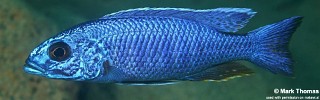
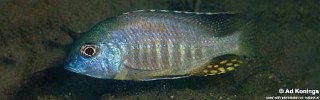
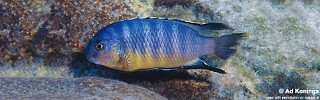
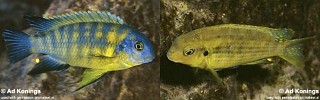
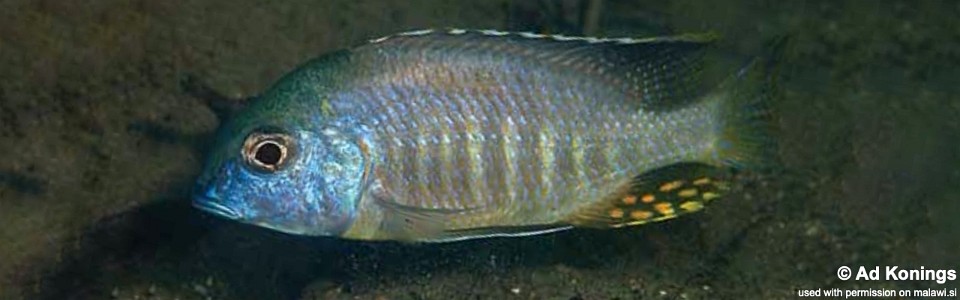




Photo gallery